

AI knowledge search
Find useful answers in your documents, with the source visible beside the answer.
Define the user, the task and the intended result.
Review the working example before the next stage.
The agreed source code, assets and operating instructions.
The agreed source code, assets and operating instructions.
Handover notesAn answer is better with its source.
Try this small example library. Search runs here on the page. Try “review”, “brief” or “handover”.
Work behind the service
Explore the journal
From the first conversation to the handover.
Choose the collection
Define the sources, permissions and questions the system needs to support.
Connect retrieval
Prepare the material and return the passages behind an answer.
Check useful answers
Test relevance, citations and unanswered questions with the team.
Give the answer somewhere to point
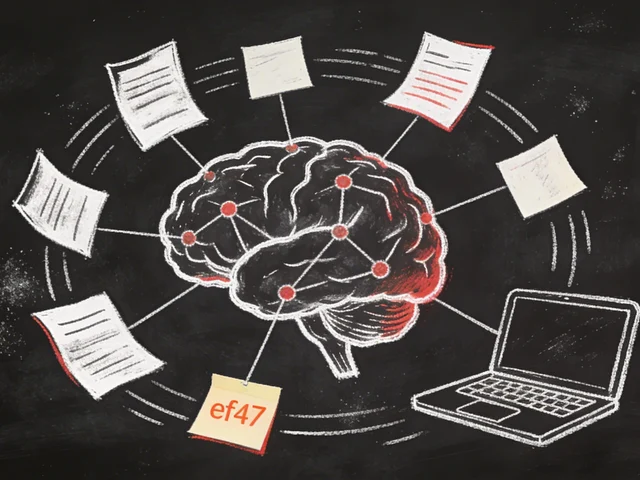
A useful answer should let the reader open the source and check the relevant passage. We build the workflow around that relationship: the question, the retrieved material and the answer it can support.
Prepare the collection
The work starts with the documents: where they live, how they change, which versions matter and who can access them. Parsing and indexing should preserve enough context to retrieve useful passages, not just isolated words.
A retrieval-augmented generation system can combine search with a model that writes an answer from the selected material. It also needs a way to say the collection does not contain an answer.
Check retrieval and answers separately
We assess whether the search finds the relevant source, then whether the generated answer stays within it. Representative questions and known answers make those checks concrete. Permissions, update handling and source links are part of the implementation.
Start with a bounded collection
A team handbook, a research library or a set of product documents is a practical starting point. The studio’s own knowledge workflow provides a working example of the approach; a client deployment still needs evaluation against its own material.
A few things you might be wondering.
Will it search everything in the company?
Only the agreed sources, with access rules designed around the people using the system.
What happens when the answer is missing?
The system should make that uncertainty visible and give the user a useful next step. We include missing-answer cases in evaluation.
Tell us what you're building.
Bring the task, the people using it and the systems it needs to work with. We'll define the scope and the next useful step.
Discuss your project