

Practical AI workshops
Bring a task. Build a working example. Understand what to keep, change and check.
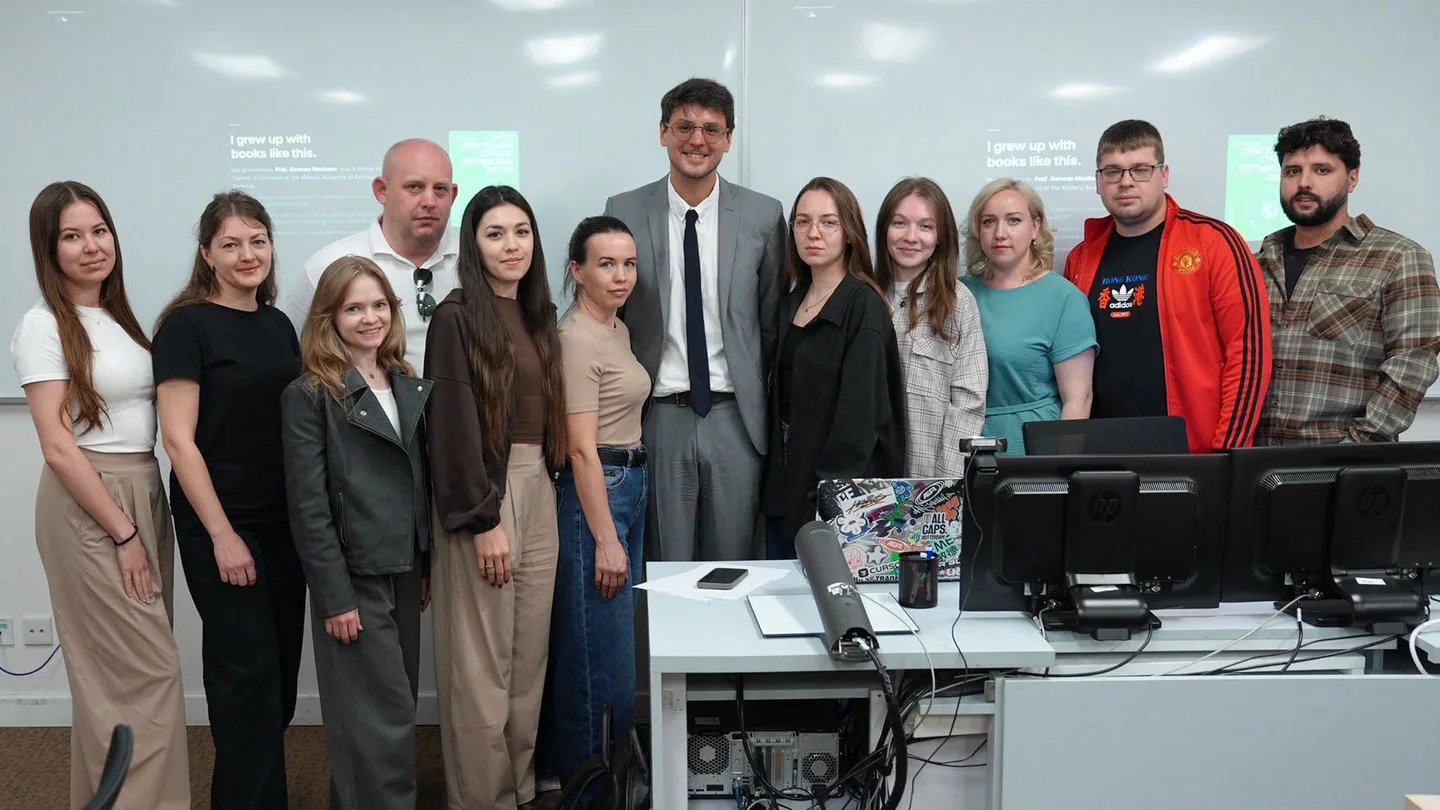

The result is something you made.
Working through the tools with the people who use them.
Actual teaching and participants at HKU.
Teaching in practice
Explore the journal

From the first conversation to the handover.
Choose the exercise
Start with research, knowledge work, creative production or an automation task.
Make an example
Work through the tools and decisions with guidance.
Review the result
Check the output, discuss the limits and decide what to try next.
Learn by making the thing
A workshop needs room to try, fail and adjust. We pick a task that fits the available time, prepare the tools and work through it together. The result should be something participants can open again after the session.
Possible subjects include a research workflow with source checking, a searchable knowledge collection, a creative production exercise or a small automation with a review step. The subject follows the need rather than a fixed catalogue of tools.
Set the exercise up properly
Before the workshop, we agree the intended result, access requirements and what participants should bring. If an exercise depends on paid tools or existing accounts, those dependencies are made explicit.
Review what was built
At the end, we look at the result against the original task. What works, what still requires a human decision, and what would need more work before daily use? The handover includes the agreed materials and next steps.
See the Education page for current lesson, masterclass and workshop formats. Team sessions can be scoped separately.
A few things you might be wondering.
Can we work on our own example?
Yes. We agree a suitable exercise and the information that can be used in the session.
What is the difference from team training?
A workshop concentrates on building one working example. Team training can cover a broader repeatable method across several tasks.
Bring a task worth learning through.
Bring the task, the people using it and the systems it needs to work with. We'll define the scope and the next useful step.
Request a workshop